
Awaiting reviewer sign-off. A licensed professional has not yet read these questions. Do not rely on this page yet.
Free EPA 608 practice test
Check what you know before test day. Try each question, then see why. It is free, with no sign-up. Core first, then the type you plan to take.
Awaiting reviewChecked 2026-10-20
These are original practice questions, written from the public list of test topics.1 Not affiliated with or endorsed by the EPA or any exam provider. The real exam may ask different questions.
Pick your part
Start with Core, since every type needs it. Then take each type you plan to take.
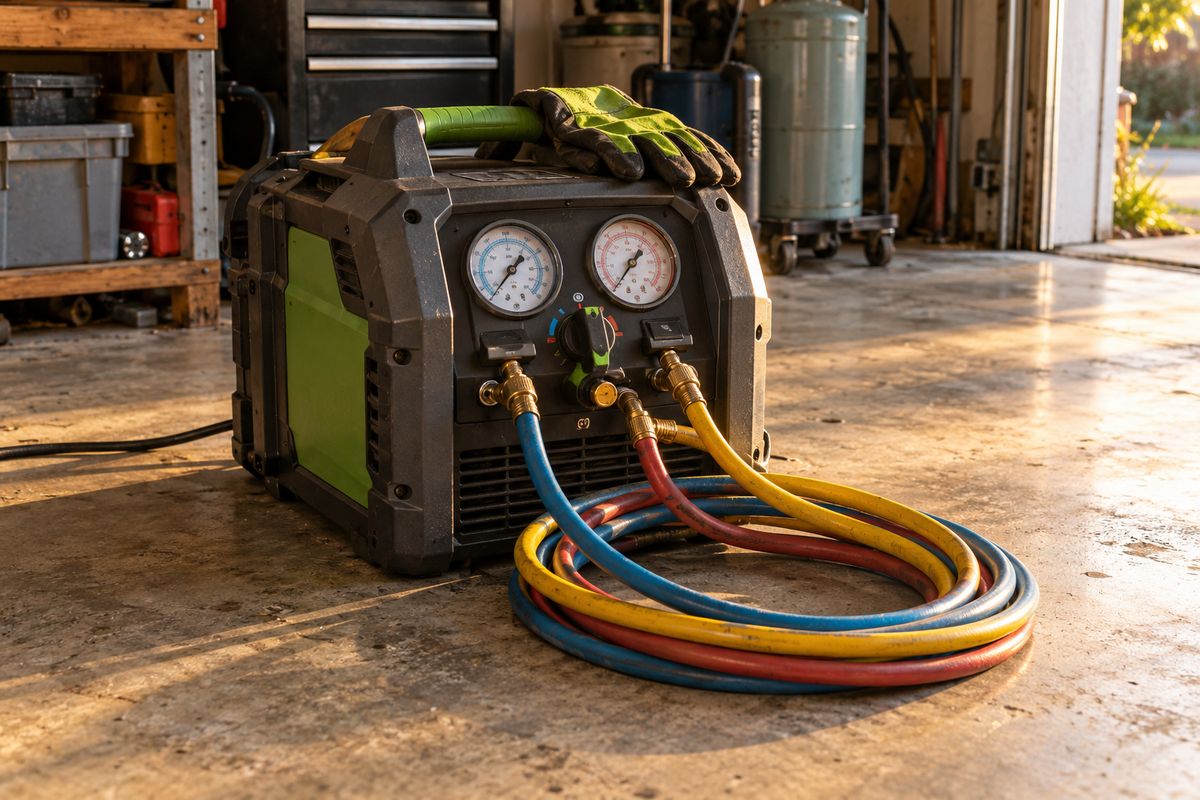
Core
Everything every technician must know.
The job: 40 questions
-
Which element in CFC and HCFC refrigerants destroys ozone in the stratosphere?
Show the answer
Answer: B. Ultraviolet light frees chlorine atoms from CFC and HCFC molecules high in the atmosphere. Chlorine then breaks apart ozone.
Test section: Core
-
R-12 is which type of refrigerant?
Show the answer
Answer: A. R-12 is a CFC (chlorofluorocarbon). R-22 is an HCFC and R-134a is an HFC.
Test section: Core
-
R-22 is which type of refrigerant?
Show the answer
Answer: D. R-22 contains hydrogen, chlorine and fluorine, so it is an HCFC.
Test section: Core
-
R-134a is which type of refrigerant?
Show the answer
Answer: C. R-134a has no chlorine. It is a hydrofluorocarbon (HFC).
Test section: Core
-
Which list ranks refrigerant families from the highest ozone-depletion potential to the lowest?
Show the answer
Answer: B. CFCs have the highest ozone-depletion potential, HCFCs have less, and HFCs have none from chlorine because they contain no chlorine.
Test section: Core
-
The Montreal Protocol is best described as:
Show the answer
Answer: A. The Montreal Protocol is the international agreement to phase out production of ozone-depleting substances.
Test section: Core
-
Which U.S. law contains the prohibition on knowingly venting refrigerants?
Show the answer
Answer: D. Section 608 of the Clean Air Act is the basis for the venting prohibition and the refrigerant handling rules.
Test section: Core
-
When is it allowed to knowingly vent a CFC or HCFC refrigerant while servicing an appliance?
Show the answer
Answer: C. The venting prohibition applies during service and disposal. Refrigerant must be recovered instead.
Test section: Core
-
Does the venting prohibition cover substitute refrigerants such as HFCs?
Show the answer
Answer: B. The prohibition on venting extends to substitute refrigerants, not just ozone-depleting ones.
Test section: Core
-
Before an appliance is disposed of, its refrigerant must be:
Show the answer
Answer: A. Refrigerant is recovered at disposal. Venting it is prohibited.
Test section: Core
-
What does it mean to recover refrigerant?
Show the answer
Answer: D. Recovery means removing refrigerant from a system and storing it in an external container, without testing or processing it.
Test section: Core
-
What does it mean to recycle refrigerant?
Show the answer
Answer: C. Recycling cleans refrigerant for reuse, typically on site, by removing oil and reducing moisture, acid and particles.
Test section: Core
-
What does it mean to reclaim refrigerant?
Show the answer
Answer: B. Reclaiming means processing used refrigerant to the specification for new refrigerant, which is checked by chemical analysis.
Test section: Core
-
Which standard sets the purity requirement for reclaimed refrigerant?
Show the answer
Answer: A. AHRI Standard 700 is the standard for reclaimed refrigerant named on the EPA test topics page.
Test section: Core
-
Why is it important not to mix refrigerants in a recovery cylinder?
Show the answer
Answer: D. Mixed refrigerants are difficult or impossible to separate, so the cylinder may be unusable for reuse.
Test section: Core
-
A recovery cylinder must not be filled with liquid refrigerant beyond what percentage of its capacity?
Show the answer
Answer: C. Cylinders are filled to no more than 80 percent so there is room for the liquid to expand as it warms.
Test section: Core
-
What is the main danger of overfilling a refrigerant cylinder?
Show the answer
Answer: B. Liquid refrigerant expands as it warms. Without room to expand, pressure can rise until the cylinder fails.
Test section: Core
-
Which gas is recommended for pressure-testing a system for leaks?
Show the answer
Answer: A. Dry nitrogen is inert and does not support combustion. Oxygen and compressed air can create a fire or explosion hazard with oil.
Test section: Core
-
What two devices are used on a nitrogen cylinder when pressure testing a system?
Show the answer
Answer: D. Cylinder pressure is far higher than a system can take. A regulator controls it and a relief valve guards against over-pressure.
Test section: Core
-
Why is a system evacuated at the end of service?
Show the answer
Answer: C. Air and moisture left in a system cause corrosion, acid and poor performance. A vacuum pulls them out.
Test section: Core
-
Refrigerant vapor is heavier than air. What is the risk of a large release in a small enclosed room?
Show the answer
Answer: B. Refrigerant vapor can displace the air near the floor and leave too little oxygen to breathe.
Test section: Core
-
Which injury can result from liquid refrigerant touching bare skin?
Show the answer
Answer: A. Liquid refrigerant boils at very low temperatures and can freeze skin on contact.
Test section: Core
-
What personal protective equipment should you wear when connecting hoses and handling liquid refrigerant?
Show the answer
Answer: D. Gloves protect the skin from freezing and goggles protect the eyes from splashes.
Test section: Core
-
On a standard manifold gauge set, which color is the low-side gauge?
Show the answer
Answer: C. Blue is the low side, red is the high side, and the yellow hose is the center service line.
Test section: Core
-
Where in the basic refrigeration cycle does cooling of the space happen?
Show the answer
Answer: B. As liquid refrigerant evaporates in the evaporator it absorbs heat from the space.
Test section: Core
-
What does the compressor do to the refrigerant vapor?
Show the answer
Answer: A. The compressor squeezes low-pressure vapor into hot, high-pressure vapor that can then reject heat in the condenser.
Test section: Core
-
What is the fractionation problem with refrigerant blends?
Show the answer
Answer: D. When the components of a blend have different leak rates, the blend left in the system no longer has the correct makeup.
Test section: Core
-
What is true about "drop-in" replacement refrigerants?
Show the answer
Answer: C. Substitute refrigerants differ in pressure, oil compatibility and capacity, so the system must be checked and often changed.
Test section: Core
-
Recovery equipment that uses the compressor of the appliance being serviced is called:
Show the answer
Answer: B. System-dependent equipment relies on the appliance's own compressor. Self-contained equipment has its own compressor.
Test section: Core
-
Recovery equipment that has its own compressor is called:
Show the answer
Answer: A. Self-contained recovery equipment can pull refrigerant out even when the appliance's compressor does not work.
Test section: Core
-
Under the sales restriction, who may buy most refrigerants?
Show the answer
Answer: D. The sales restriction limits who may buy regulated refrigerant, and certification is how a technician shows they may.
Test section: Core
-
Why does recovery and recycling equipment need third-party certification?
Show the answer
Answer: C. Certification by an approved testing lab shows the equipment meets the standard for recovering refrigerant.
Test section: Core
-
What must a shipped refrigerant cylinder carry?
Show the answer
Answer: B. Cylinders must be labeled so the contents and the hazard class are clear during handling and shipping.
Test section: Core
-
Which pair describes a low-pressure refrigerant used in centrifugal chillers?
Show the answer
Answer: A. R-123 is a low-pressure refrigerant. R-22, R-134a and R-410A are high-pressure refrigerants.
Test section: Core
-
Which statement about HFC refrigerants and ozone is correct?
Show the answer
Answer: D. HFCs contain no chlorine. They are still regulated, because the venting rules cover substitutes.
Test section: Core
-
Which gas, other than a refrigerant, is a good choice to sweep a system before brazing?
Show the answer
Answer: C. A slow flow of dry nitrogen keeps oxygen out of the tubing, which prevents scale while you braze.
Test section: Core
-
Why is the Montreal Protocol important to technicians?
Show the answer
Answer: B. The phaseouts that changed which refrigerants are made and used follow from the Montreal Protocol and the Clean Air Act.
Test section: Core
-
Which of these is a health effect linked to depletion of the stratospheric ozone layer?
Show the answer
Answer: A. The ozone layer absorbs much of the sun's harmful ultraviolet light. Less ozone lets more reach people and crops.
Test section: Core
-
Which tool can reveal a leak by checking whether pressure holds after a system is evacuated or pressurized?
Show the answer
Answer: D. A pressure or vacuum that will not hold on the gauges shows there is a leak to find.
Test section: Core
-
Why should you recover liquid refrigerant first when possible?
Show the answer
Answer: C. Liquid moves out faster than vapor, so pulling liquid first shortens the job.
Test section: Core

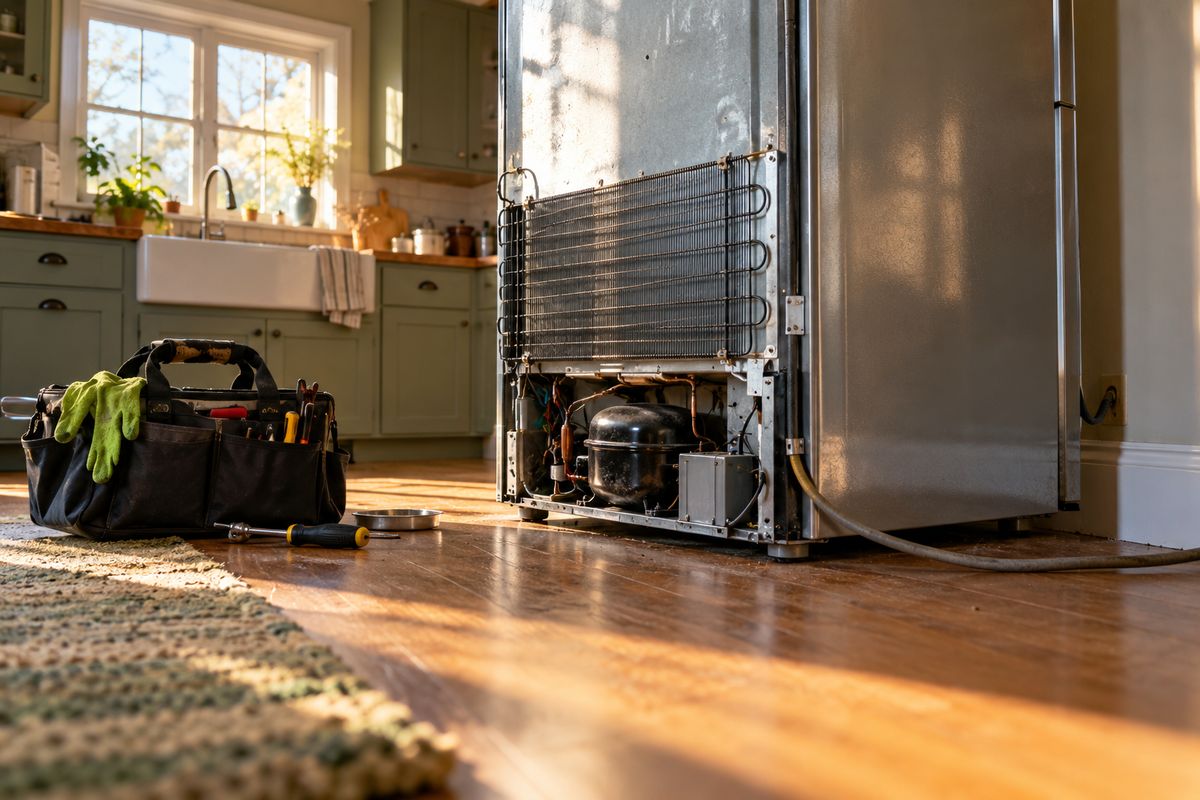
Try the Type 1 questions
The job: 30 questions
-
Type 1 certification covers servicing which kind of equipment?
Show the answer
Answer: B. Type 1 is for small appliances that are factory-charged and hermetically sealed with a small amount of refrigerant.
Test section: Type I
-
Which of these is a small appliance?
Show the answer
Answer: A. Household refrigerators and freezers are standard examples of small appliances.
Test section: Type I
-
Which of these is also a small appliance?
Show the answer
Answer: D. Window air conditioners are factory-sealed units with a small charge.
Test section: Type I
-
A technician with only Type 1 certification may service:
Show the answer
Answer: C. Each certification type limits the equipment you may open. Type 1 is limited to small appliances.
Test section: Type I
-
Why is a process stub often installed on a small appliance?
Show the answer
Answer: B. A process stub is a short service tube that gives a place to connect recovery or charging equipment.
Test section: Type I
-
System-dependent recovery equipment on a small appliance relies on:
Show the answer
Answer: A. System-dependent equipment uses the appliance's own compressor to help move the refrigerant out.
Test section: Type I
-
Self-contained recovery equipment:
Show the answer
Answer: D. Self-contained equipment has its own means of pulling refrigerant, so it works even if the appliance compressor is dead.
Test section: Type I
-
Before opening a small appliance for repair, what must you do with the refrigerant?
Show the answer
Answer: C. Venting is prohibited. Recover refrigerant before you open the sealed system.
Test section: Type I
-
Who may knowingly vent the small amount of refrigerant left in a small appliance during service?
Show the answer
Answer: B. The venting prohibition has no small-amount exception for service.
Test section: Type I
-
Why does a sealed small appliance sometimes need heat applied to the compressor during recovery?
Show the answer
Answer: A. Refrigerant dissolved in compressor oil comes out more easily when the oil is gently warmed.
Test section: Type I
-
What does a filter-drier do in a small appliance?
Show the answer
Answer: D. The filter-drier traps moisture and debris so they do not plug the metering device.
Test section: Type I
-
After opening a small appliance's sealed system for repair, what should you usually replace?
Show the answer
Answer: C. A new filter-drier removes the moisture that entered when the system was open.
Test section: Type I
-
In many small appliances, the metering device is a:
Show the answer
Answer: B. Small refrigerators and freezers commonly use a capillary tube to meter refrigerant.
Test section: Type I
-
Which part raises the pressure of refrigerant vapor in the cycle?
Show the answer
Answer: A. The compressor squeezes the vapor to a higher pressure and temperature.
Test section: Type I
-
Which part absorbs heat from the food compartment?
Show the answer
Answer: D. Refrigerant boils in the evaporator and takes heat out of the cabinet.
Test section: Type I
-
Which part releases heat to the room air?
Show the answer
Answer: C. The hot refrigerant gives up its heat in the condenser.
Test section: Type I
-
Which gas is the safe choice for flowing through tubing while brazing a repair?
Show the answer
Answer: B. Dry nitrogen displaces air and prevents scale inside the tubing.
Test section: Core
-
What should you wear when handling liquid refrigerant from a small appliance?
Show the answer
Answer: A. Even a small splash can cause frostbite or eye injury.
Test section: Core
-
Do the larger-appliance leak repair rules apply to small appliances covered by Type 1?
Show the answer
Answer: D. Leak repair requirements are tied to larger appliances. Small appliances are handled by recovery and disposal rules.
Test section: Type I
-
Before a small appliance is scrapped, the refrigerant must be:
Show the answer
Answer: C. Disposal rules require the refrigerant to be removed and handled correctly before the appliance is scrapped.
Test section: Type I
-
Why should recovered refrigerant from different appliances not be mixed in one cylinder unless the types match?
Show the answer
Answer: B. Mixing refrigerants makes the contents very hard to recycle or reclaim.
Test section: Core
-
A recovery cylinder should be filled only to what portion of its capacity?
Show the answer
Answer: A. Leaving about 20 percent empty gives room for liquid to expand as it warms.
Test section: Core
-
What is the purpose of an access valve or service port on an appliance?
Show the answer
Answer: D. Access valves let you connect hoses without cutting into the sealed system.
Test section: Type I
-
A small appliance runs but does not cool, and the evaporator is warm. Which cause is most likely?
Show the answer
Answer: C. A low charge or a restriction keeps refrigerant from absorbing heat in the evaporator.
Test section: Type I
-
What is the safest way to find a leak on a small appliance's sealed tubing?
Show the answer
Answer: B. Electronic detectors and bubble solutions find leaks without creating a fire hazard.
Test section: Core
-
What does a pressure-temperature chart tell you?
Show the answer
Answer: A. Each refrigerant has its own pressure-temperature relationship, so the chart links one to the other.
Test section: Core
-
A technician must keep which of the following when buying refrigerant?
Show the answer
Answer: D. Because of the sales restriction, sellers may ask for proof of certification.
Test section: Core
-
Which statement about hermetic compressors in small appliances is correct?
Show the answer
Answer: C. A hermetic compressor has the motor and compressor sealed in a welded housing.
Test section: Type I
-
Why is it unsafe to cut into a sealed system with a torch before recovery?
Show the answer
Answer: B. Heat and open refrigerant together can cause fires and toxic decomposition products. Always recover first.
Test section: Core
-
What is the main reason to record the refrigerant you recover from a small appliance?
Show the answer
Answer: A. A record of what was recovered shows the job was done correctly and helps with later checks.
Test section: Type I
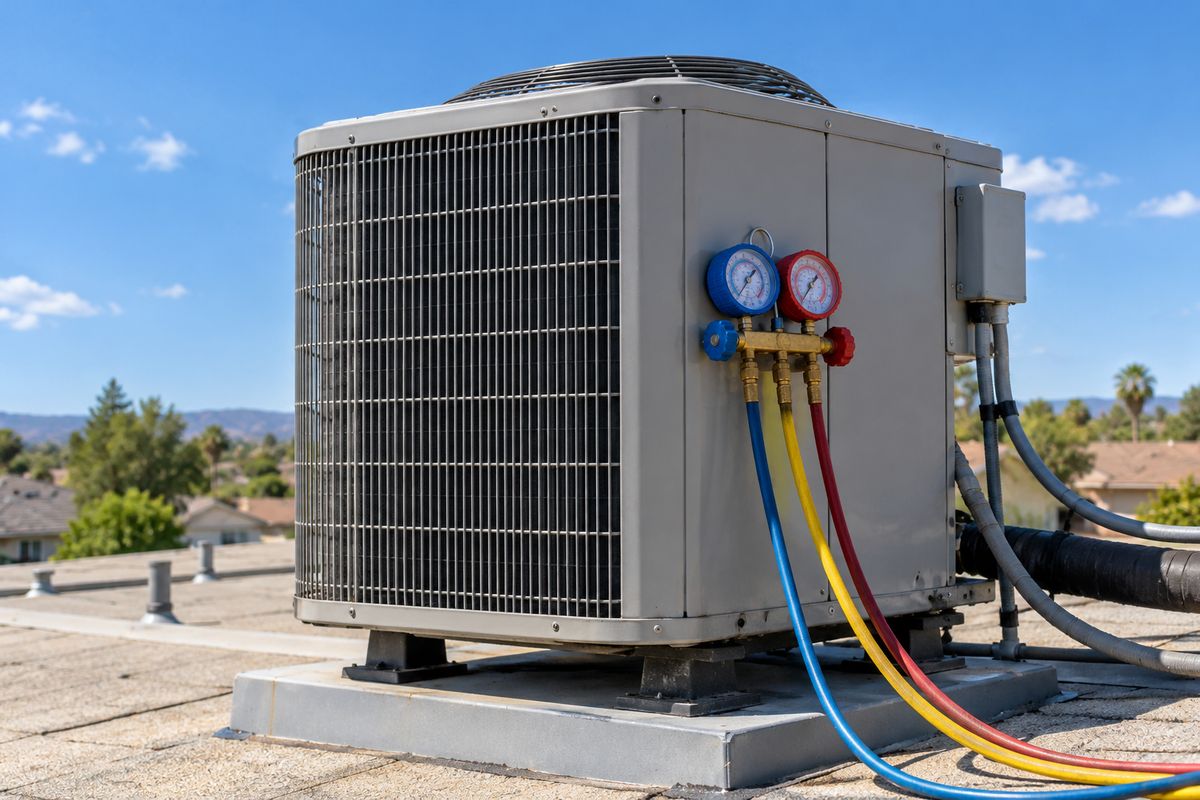
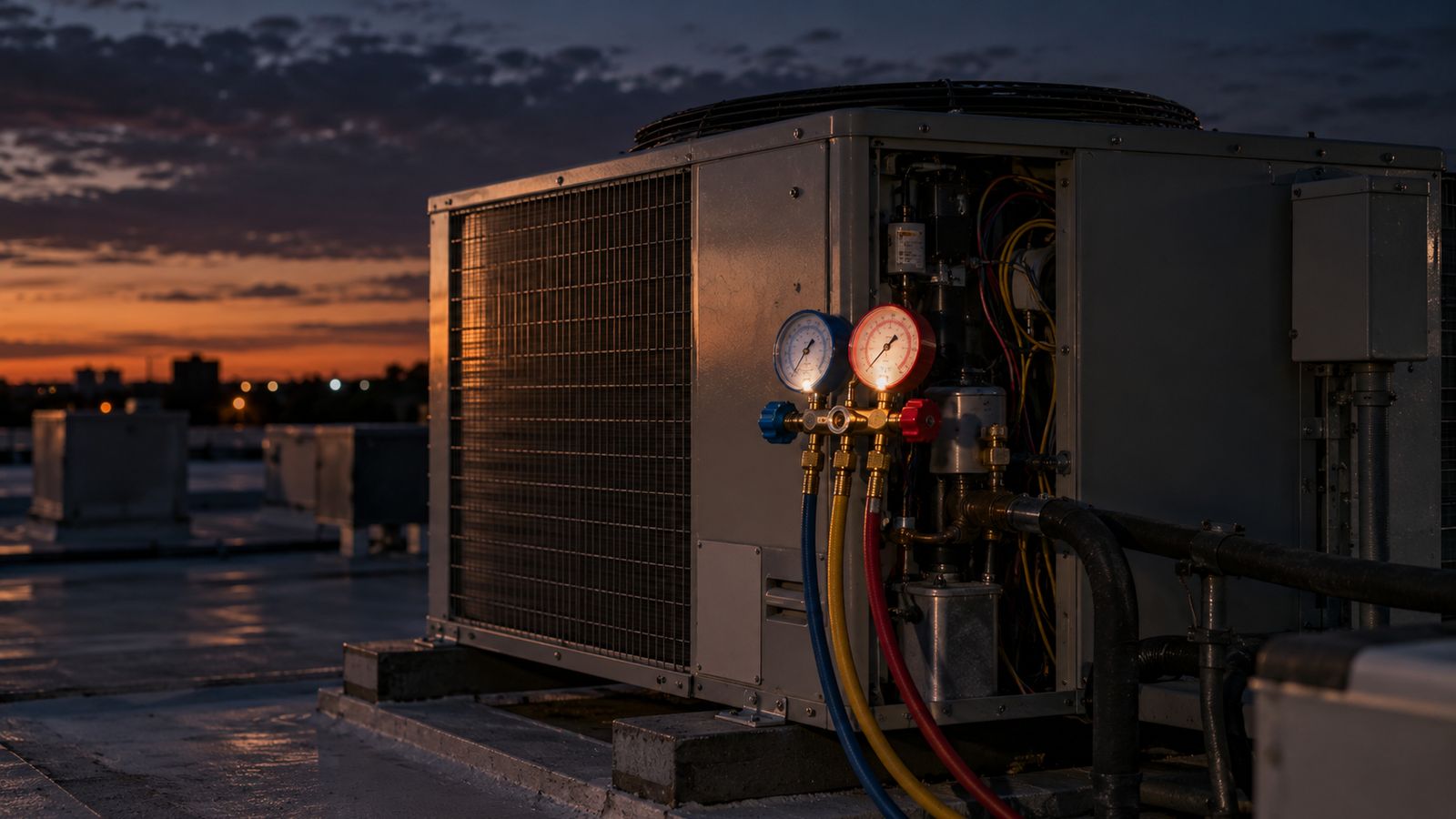
Type 2: high-pressure systems
Most commercial and residential air conditioning and refrigeration.
Try the Type 2 questions
The job: 30 questions
-
Type 2 certification covers servicing which equipment?
Show the answer
Answer: B. Type 2 is the high-pressure category. Small appliances fall under Type 1 and low-pressure chillers under Type 3.
Test section: Type II
-
Which of these is a high-pressure refrigerant?
Show the answer
Answer: A. R-22 is a high-pressure refrigerant. R-11, R-113 and R-123 are low-pressure.
Test section: Core
-
On a system with a running compressor, which line carries hot, high-pressure vapor away from the compressor?
Show the answer
Answer: D. The discharge line carries hot compressed vapor to the condenser.
Test section: Type II
-
Low suction pressure with high superheat most often points to:
Show the answer
Answer: C. Too little refrigerant reaching the evaporator causes low suction pressure and high superheat.
Test section: Type II
-
High head pressure with high subcooling often points to:
Show the answer
Answer: B. Extra liquid refrigerant backs up in the condenser and raises both head pressure and subcooling.
Test section: Type II
-
What does air in a refrigerant system usually cause?
Show the answer
Answer: A. Noncondensable gases collect in the condenser and push head pressure up.
Test section: Type II
-
Which method finds a refrigerant leak without special equipment?
Show the answer
Answer: D. Bubbles form at a leak when you coat the suspected joint with a bubble solution.
Test section: Core
-
Which tool detects very small leaks by sensing refrigerant in the air?
Show the answer
Answer: C. Electronic detectors respond to refrigerant vapor and find leaks too small to see or hear.
Test section: Core
-
A fluorescent dye in a system shows where a leak is when you shine:
Show the answer
Answer: B. The dye glows under ultraviolet light where it escapes with the refrigerant.
Test section: Core
-
Which gas should be used to pressure-test a high-pressure system for leaks?
Show the answer
Answer: A. Dry nitrogen is inert. Oxygen and compressed air can combine with oil and cause fires or explosions.
Test section: Core
-
What must you attach to a nitrogen cylinder before connecting it to a system?
Show the answer
Answer: D. Cylinder pressure is far above what a system can take. The regulator controls it.
Test section: Core
-
Why do you evacuate a system after repair?
Show the answer
Answer: C. Air and moisture left inside cause corrosion, acid and poor cooling.
Test section: Core
-
A vacuum gauge that rises after the pump is shut off most likely shows:
Show the answer
Answer: B. A vacuum that climbs back up means moisture is boiling off or air is leaking in.
Test section: Type II
-
Recovery from a system with an operating compressor is usually easier because:
Show the answer
Answer: A. An operating compressor can pump refrigerant out, though you may still use recovery equipment.
Test section: Type II
-
When recovering from a large system, why is liquid usually recovered before vapor?
Show the answer
Answer: D. Liquid moves much more refrigerant per minute than vapor.
Test section: Type II
-
A push-pull method is used to:
Show the answer
Answer: C. Push-pull uses pressure differences to move liquid between the system and a cylinder.
Test section: Type II
-
What does a rupture disc or relief valve do on a pressure vessel?
Show the answer
Answer: B. Safety devices open at a set pressure to protect the vessel from bursting.
Test section: Type II
-
Which valve type meters refrigerant into the evaporator in many commercial systems?
Show the answer
Answer: A. A thermostatic expansion valve meters refrigerant by the superheat at the evaporator outlet.
Test section: Type II
-
What is the job of a receiver in a refrigeration system?
Show the answer
Answer: D. A receiver holds extra liquid refrigerant so the system can handle changes in load.
Test section: Type II
-
A compressor burnout leaves acid in the oil. What should you do before restarting?
Show the answer
Answer: C. Acid damages new parts. The oil, driers and contaminated refrigerant must be handled before restart.
Test section: Type II
-
Charging a system with a blend refrigerant is usually done from the cylinder as:
Show the answer
Answer: B. Charging blends as liquid helps keep the components in the right proportion.
Test section: Core
-
Why should you charge by weight when the nameplate gives a charge?
Show the answer
Answer: A. Charging by the specified weight matches the manufacturer's design charge.
Test section: Type II
-
A2L refrigerants require extra care because they are:
Show the answer
Answer: D. A2L refrigerants are classed as mildly flammable, so ignition sources and ventilation need attention.
Test section: Core
-
Which tool is needed to check the oil for acid after a suspected burnout?
Show the answer
Answer: C. An acid test kit shows whether the oil has been contaminated.
Test section: Type II
-
Why must a technician check for moisture in a system?
Show the answer
Answer: B. Moisture can freeze at the metering device and also react to form acids.
Test section: Core
-
What does a sight glass help you see?
Show the answer
Answer: A. Bubbles can suggest low charge, and some sight glasses change color with moisture.
Test section: Type II
-
For large appliances, what must a technician keep when the system leaks and is repaired?
Show the answer
Answer: D. Recordkeeping rules for larger appliances require service and leak repair records.
Test section: Type II
-
Who is responsible for leak repair on a large appliance covered by the leak rules?
Show the answer
Answer: C. The leak repair rules place the duty on the owner or operator of the appliance.
Test section: Type II
-
Recovery equipment must be:
Show the answer
Answer: B. Equipment must meet the certification requirements for the work it does.
Test section: Core
-
Why should a technician confirm the refrigerant type on the nameplate before charging?
Show the answer
Answer: A. The nameplate lists the refrigerant the system was designed for. Charging a different one can cause damage and mixing problems.
Test section: Type II
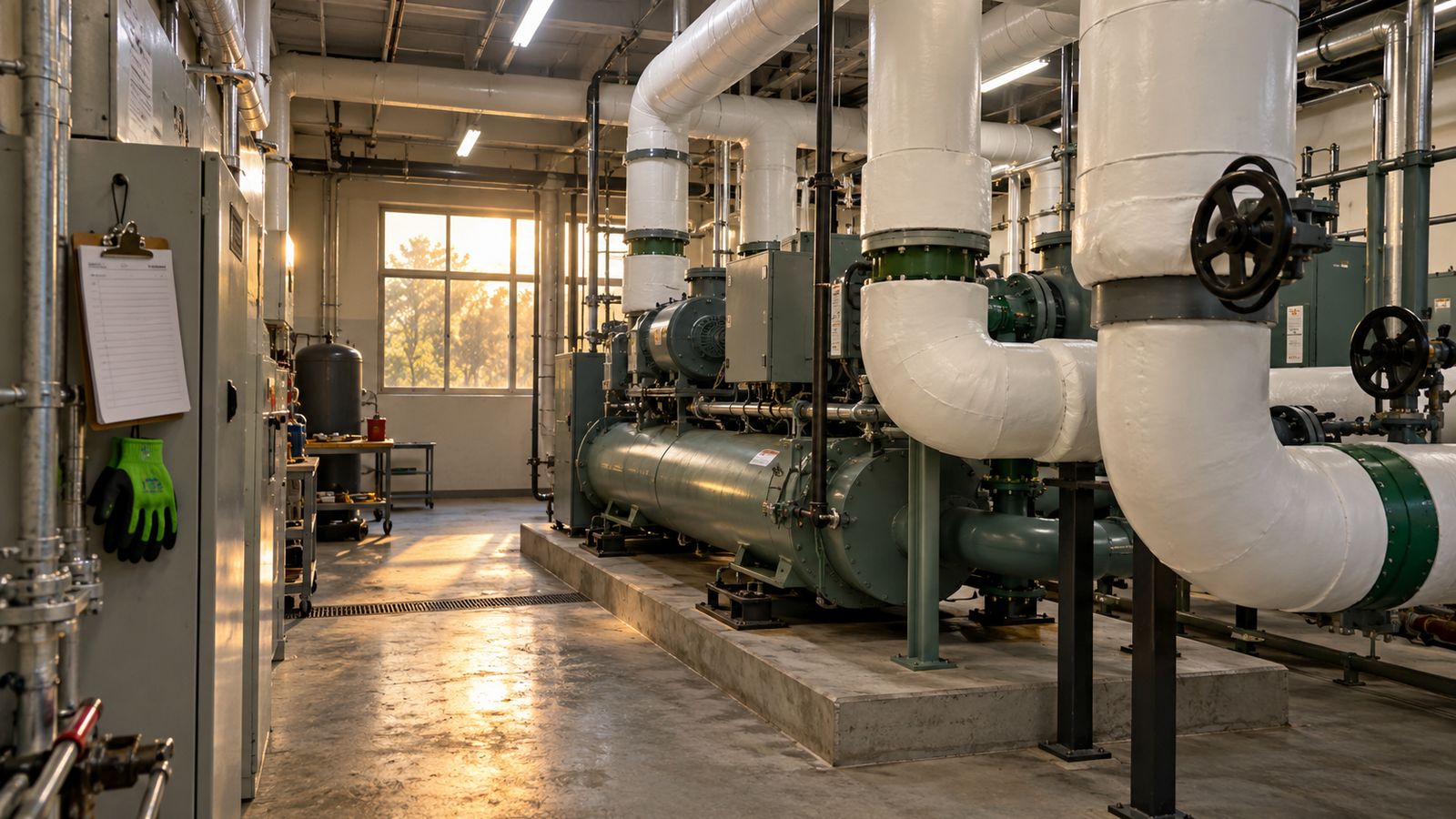
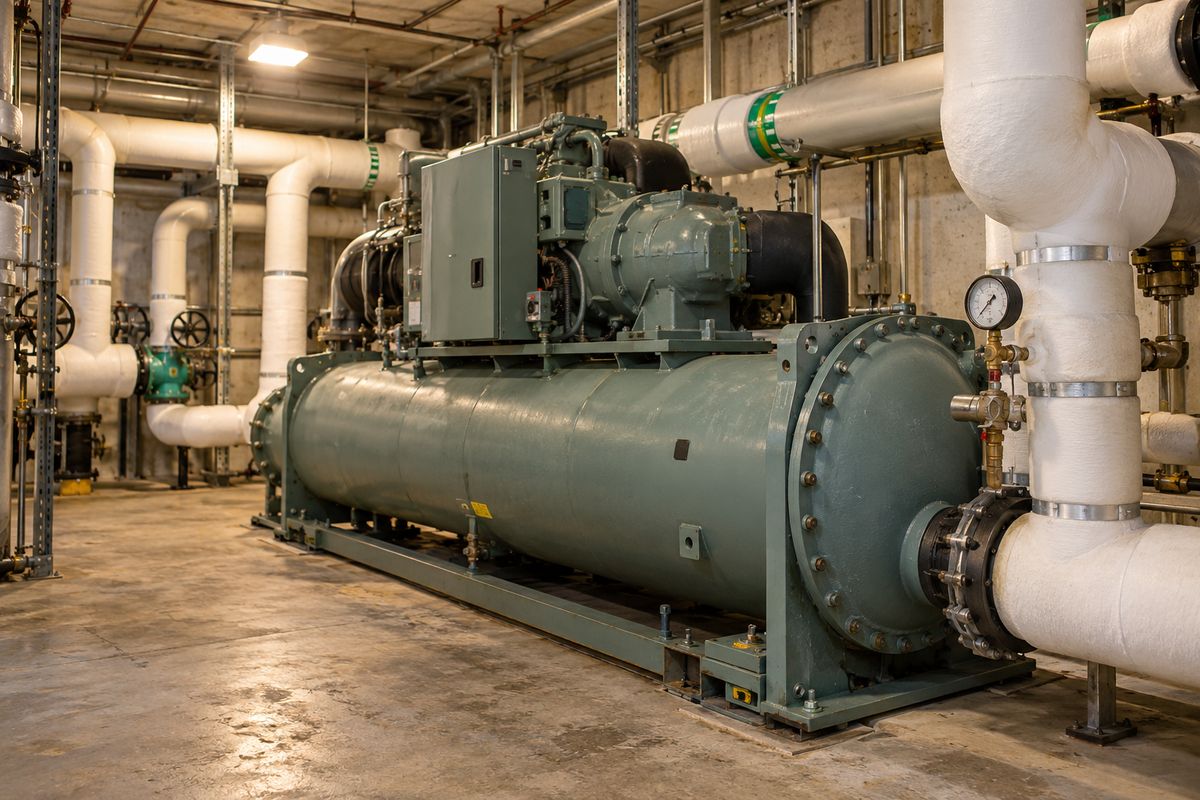
Try the Type 3 questions
The job: 30 questions
-
Type 3 certification covers which equipment?
Show the answer
Answer: B. Type 3 is for low-pressure appliances.
Test section: Type III
-
Which of these is a low-pressure refrigerant?
Show the answer
Answer: A. R-123 is a low-pressure refrigerant used in many centrifugal chillers.
Test section: Core
-
Which of these is also a low-pressure refrigerant?
Show the answer
Answer: D. R-11 is a low-pressure refrigerant. It is an older CFC used in centrifugal chillers.
Test section: Core
-
When a low-pressure chiller sits idle, the pressure in the refrigerant side is typically:
Show the answer
Answer: C. Low-pressure systems can run in a vacuum, so leaks tend to draw air and moisture in rather than push refrigerant out.
Test section: Type III
-
What does a purge unit on a low-pressure chiller remove?
Show the answer
Answer: B. A purge unit separates air and other noncondensables from the refrigerant and removes them.
Test section: Type III
-
A purge unit that runs far more than usual suggests:
Show the answer
Answer: A. Frequent purging can mean air is leaking into the machine.
Test section: Type III
-
Why can a leak in a low-pressure chiller bring water into the refrigerant?
Show the answer
Answer: D. If the refrigerant side is at lower pressure than the water side, a tube leak lets water in.
Test section: Type III
-
What does a rupture disc on a low-pressure chiller protect?
Show the answer
Answer: C. The disc breaks at a set pressure to relieve the vessel and avoid a burst.
Test section: Type III
-
Before you recover refrigerant from a low-pressure chiller, what helps raise the pressure so recovery can start?
Show the answer
Answer: B. Raising the refrigerant temperature raises its pressure above the vacuum, so recovery equipment can move it.
Test section: Type III
-
While recovering from a chiller, why should you keep water moving through the tubes?
Show the answer
Answer: A. Boiling refrigerant cools the vessel and can freeze standing water, which can split the tubes.
Test section: Type III
-
Which gas should be used if you must pressurize a low-pressure system for leak testing?
Show the answer
Answer: D. Dry nitrogen is inert, and the low-pressure vessel must only see a low, regulated pressure.
Test section: Core
-
Why is a pressure regulator essential when using nitrogen on a low-pressure chiller?
Show the answer
Answer: C. A low-pressure vessel is not built for cylinder pressure. The regulator keeps it low.
Test section: Core
-
Why is R-123 handled with extra ventilation and monitoring?
Show the answer
Answer: B. Equipment rooms need good ventilation and monitoring because refrigerant vapor can build up near the floor.
Test section: Core
-
Which protective equipment is wise when entering a room with a suspected large refrigerant release?
Show the answer
Answer: A. A large release can displace oxygen, so you need your own air supply.
Test section: Core
-
Why does a centrifugal chiller commonly use a low-pressure refrigerant?
Show the answer
Answer: D. Centrifugal compressors move large volumes of vapor and suit low-pressure refrigerants.
Test section: Type III
-
What is the usual job of the condenser in a water-cooled chiller?
Show the answer
Answer: C. The condenser moves heat from the refrigerant into the condenser water loop.
Test section: Type III
-
What does the evaporator in a chiller cool?
Show the answer
Answer: B. Refrigerant boiling in the evaporator absorbs heat from the chilled water loop.
Test section: Type III
-
Which statement about evacuating a low-pressure system is correct?
Show the answer
Answer: A. Evacuation removes air and moisture so they do not stay in the system.
Test section: Core
-
What is a reason to take an oil sample from a chiller?
Show the answer
Answer: D. Oil analysis can reveal acid, moisture and wear before they cause a failure.
Test section: Type III
-
Recovered low-pressure refrigerant should go into:
Show the answer
Answer: C. Recovery cylinders must be suited to the refrigerant and clearly labeled.
Test section: Core
-
Why do you avoid mixing different refrigerants in a recovery cylinder?
Show the answer
Answer: B. Mixed refrigerants cannot be separated easily, so the cylinder contents may be wasted.
Test section: Core
-
What does AHRI Standard 700 define?
Show the answer
Answer: A. The standard sets the purity levels reclaimed refrigerant must meet.
Test section: Core
-
Who may knowingly vent refrigerant from a chiller during service?
Show the answer
Answer: D. The venting prohibition applies to every type of appliance during service and disposal.
Test section: Core
-
Which sign suggests a tube leak in an evaporator on a chiller?
Show the answer
Answer: C. Water in the refrigerant or oil points to a tube leak between the water and refrigerant sides.
Test section: Type III
-
Why do you check relief devices on a chiller regularly?
Show the answer
Answer: B. A safety device that is damaged or blocked cannot protect the vessel.
Test section: Type III
-
An equipment room refrigerant monitor is meant to:
Show the answer
Answer: A. Monitors give an early alarm so people can leave and ventilation can start.
Test section: Type III
-
When opening a chiller for service, what should you avoid letting into the vessel?
Show the answer
Answer: D. Moist air brings water into the system, which can cause corrosion and acid.
Test section: Core
-
Which statement about hermetic centrifugal compressor motors is correct?
Show the answer
Answer: C. In a hermetic design refrigerant flows through the motor, so a burnout spreads acid through the system.
Test section: Type III
-
Which record belongs with a chiller service job?
Show the answer
Answer: B. Refrigerant quantities are tracked for compliance and for finding recurring leaks.
Test section: Type III
-
What must be true of a chiller that is opened for tube work before it goes back into service?
Show the answer
Answer: A. Leak testing and evacuation make sure the system is tight and free of air and moisture before refrigerant is returned.
Test section: Type III
Who has read these questions
The questions are original and follow the test-topic headings. Each answer has a reason and a source line.
Checked 2026-10-20. Next recheck by 2027-04-20. Awaiting reviewer sign-off. A licensed professional has not yet read these questions. Do not rely on this page yet.
Next: the study guide
 GuideEPA 608 study guideWhat each part covers, in plain words.
Checked 2026-10-20. Next recheck by 2027-04-20.
Sources
- U.S. Environmental Protection Agency, Section 608 Technician Certification: test topics (Core, Type I, Type II, Type III). The questions below are original and follow these topic headings. https://www.epa.gov/section608/test-topics